still accepting registrations!
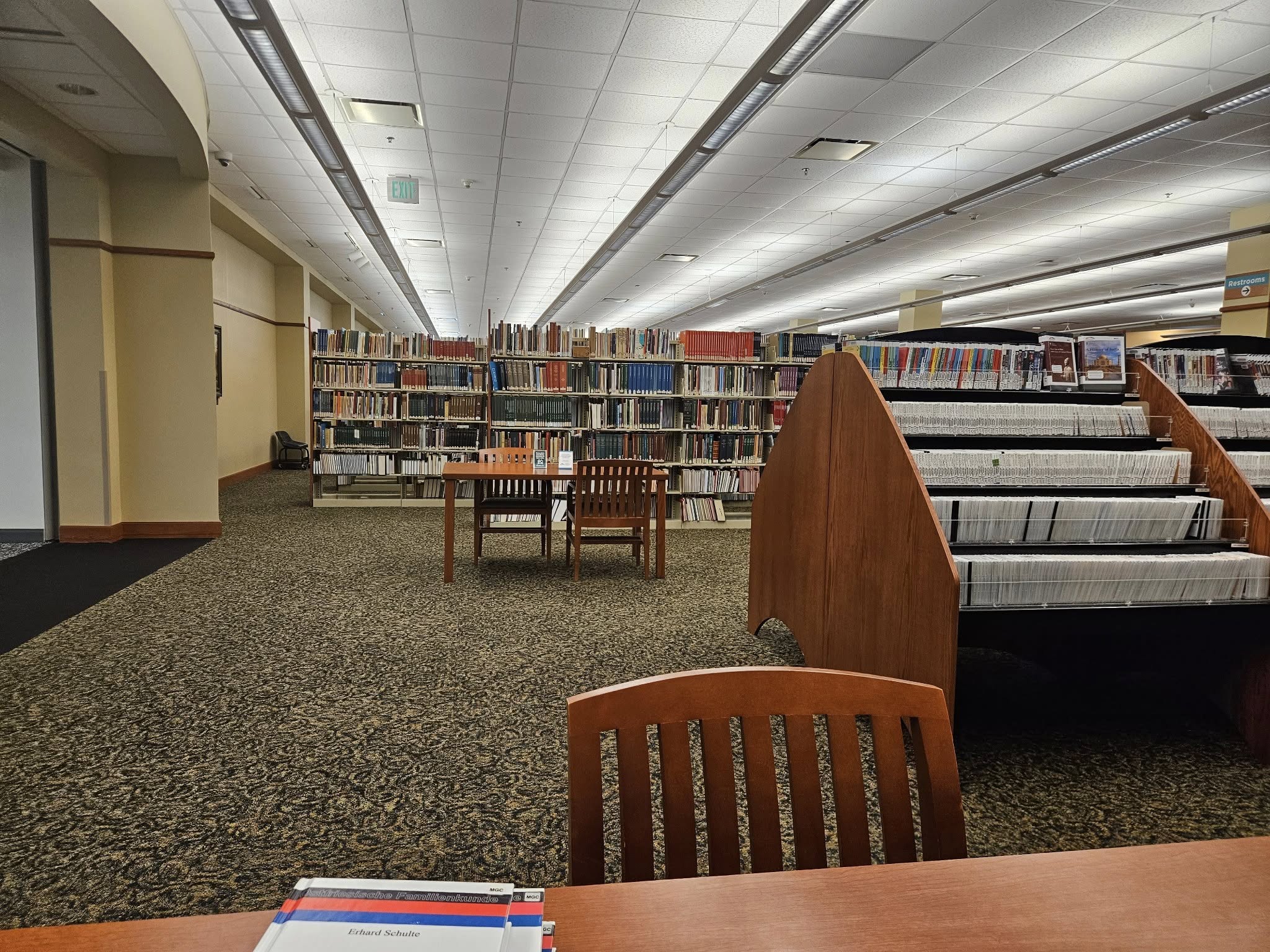
Join Michael for 3.5 days at the Midwest Genealogy Center in Independence, Missouri, in 2026
3-7 May 2026
Midwest Genealogy Center
Research Trip with Michael John Neill
Library Orientation/Tour on 3 May -evening–time to be announced. Lecture summaries are at bottom of page.
| Date | Time | Event |
| 15 March 2026 | 7:30-8:30 pm central via Zoom | Orientation to trip, overview of library/catalog, trip planning suggestions, more if time allows (recorded for those who cannot attend live) |
| 29 March 2026 | 7:30-8:30 pm central via Zoom | Lecture on Genealogy Problem Solving (Recorded for those who cannot attend live.) |
| 5 April 2026 | 7:30-8:30 pm central via Zoom | Lecture on Full-Text Searching at FamilySearch (Recorded for those who cannot attend live. Mid-Continent is a FamilySearch affiliate library) |
| Monday 4 May | 10:00 am in Library | Lecture Artificial Intelligence for Genealogy |
| 11:00 am in Library | Lecture Introduction to US Court Records (non-probate) | |
| noon-8:00 pm | Research and consultations in library | |
| Tuesday 5 May | 10:00 am in Library | Lecture Introduction to US Probate Records |
| 11:00 am in Library | Lecture Guest Lecture by James M. Beidler: Method to the Madness: Investigating Every Possible Newspaper for Your Ancestors | |
| noon-8:00 pm | Research and consultations in library | |
| Wednesday 6 May | 10:00 am in Library | Lecture Guest Lecture by Juli A. Jones: Topic to Be Determined |
| Lecture Where Did the Farm Go? | ||
| noon-8:00 pm | Research and consultations in library | |
| Thursday 7 May | 10-2:00 pm | Optional Consultations in library |
Registration is $180—includes:
- Pre-trip Zoom meetings—they will be recorded
- Email submission of problem (1 or 2) and review by Michael with suggestions.
- Consultations at library (at least 2—more if time allows)
- Presentations at library
Travel, meals, other trip-related expenses not covered (we may meet for a Dutch Treat supper after the library closes for those who are interested). View the Library’s page about the collection’s rules and policies.
Refunds will be given (less $50 cancellation fee) prior to 1 March 2026. There is no cancellation fee if you can find someone to take your place and the registration can simply be switched.
Registration can be processed here.
From the library’s website:
The Midwest Genealogy Center houses over 250,000 books and tens of thousands of pieces of microform. This collection includes local, national, and international materials such as family histories, city directories, phone books, yearbooks, state and county records, maps, and more.
Additional information about the library:
- Getting Started at the Library
- Materials Collection–includes Missouri county materials on microfilm (not in catalog), a significant city directory collection,
- Memory Lab
- Search their catalog
Lecture Topics:
Genealogy Problem Solving
This presentation discusses the four-step problem-solving process and applies it to genealogical research. We talk about all the aspects of understanding the research problem, developing a research approach to solve that problem, conducting the research, and evaluating the results and moving forward.
Full-Text Searching at FamilySearch
This session discusses how to best utilize the full-text searching at FamilySearch. This includes a discussion of name variants, determining a research strategy, terms and words for which to search, tracking search process, evaluation of results, determing what has actually been located, and citation approaches.
Artificial Intelligence
This presentation provides an overview of artificial intelligence, focusing on ways to use it responsibly in your genealogical research, including research planning, document analysis, and transcription.
Introduction to US Court Records (non-probate)
This presentation looks at an overview of US court records at the local level, focusing on a general overview of court process, record structure and organization, records access, and interpretation and usage.
Introduction to US Probate Records
This presentation looks at an overview of US probate records, focusing on a general overview probate records in the US, general structure and organization of records, records access, and interpretation and usage.
Federal Land Records
This session will provide an overview of the varying ways federal land could be obtained–including land warrants, cash sales, homestead claims, and other types of claims. The general land acquisition process and the records created will be discussed. Search strategies (including tract books) and record analysis will also be discussed.
Where Did the Farm Go?
Determining how your ancestor’s real estate left his (or her) possession is an integral part of the research process for those whose ancestors owned real property–whether city or farm dwellers. In this lecture we will look at the varying ways real property may have been disposed of by your ancestor or for him, both during his lifetime and after his death.